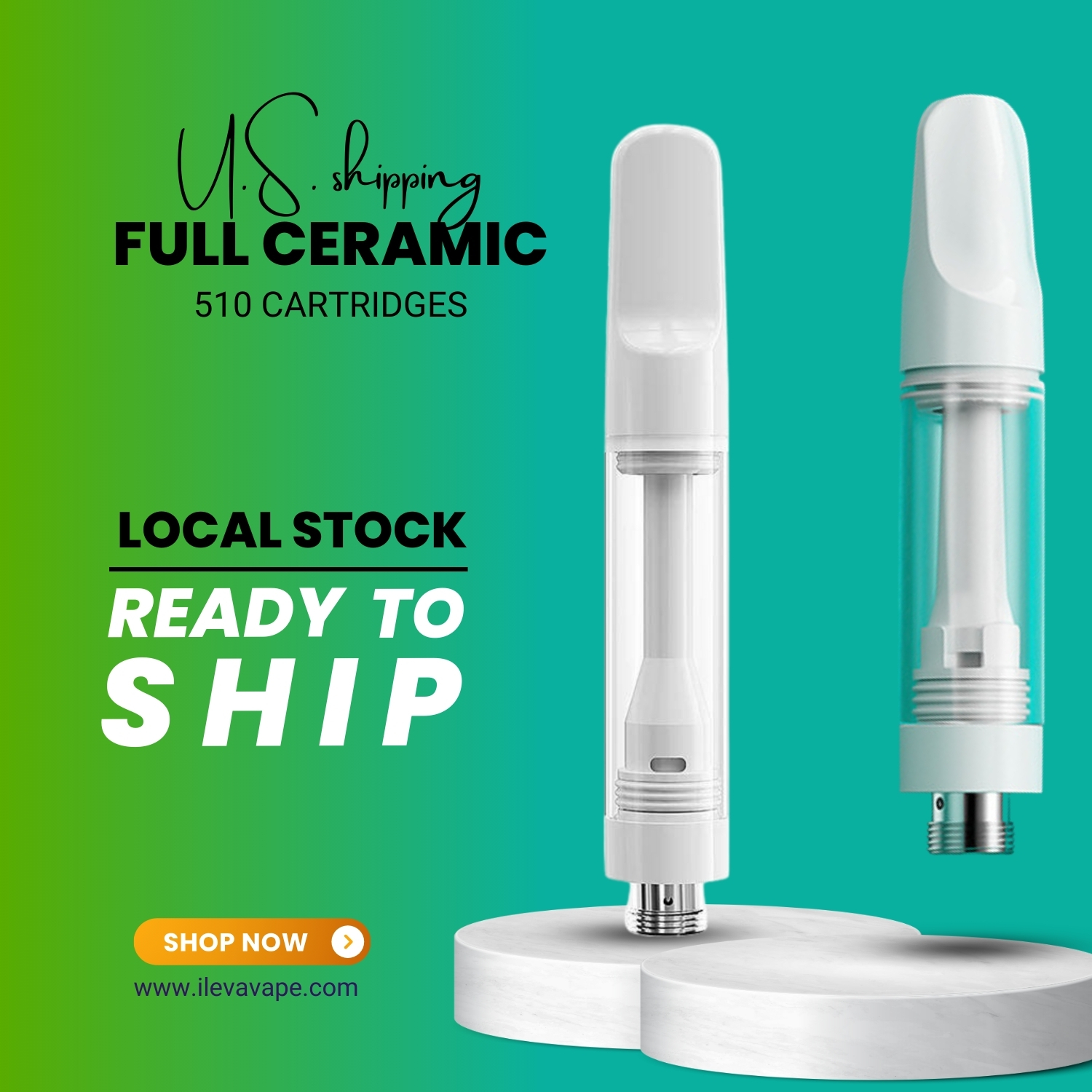
A cartridge can screw onto two different 510 batteries and still be suitable for only one of them. The thread may connect, yet a concealed housing can interfere with the cartridge body, restrict air entry, hide too much of the oil chamber, or make the mouthpiece awkward to use. A pen-style battery may avoid those clearance problems but expose more of the cartridge to side loads in pockets, bags, and retail handling.
That is why the useful question is not, “Which 510 battery shape is better?” It is: Which architecture fits the exact cartridge, user routine, retail presentation, and service model for this program?
For buyers, pen-style and concealed batteries should be compared as two packaging systems around the same electrical interface. The decision begins with a controlled cartridge envelope, then moves through connection design, airflow, controls, charging, handling, merchandising, and replacement support.
First, define what is actually being compared
A pen-style battery typically leaves most of the cartridge visible and places the threaded connection at the top of a narrow body. A concealed battery places more of the cartridge inside a surrounding housing. Depending on the design, the cartridge may connect directly to the device or first attach to a magnetic or threaded adapter.
Those descriptions explain the architecture, not its quality. Either format can be well or poorly executed. Battery capacity, voltage accuracy, charging behavior, cell quality, control logic, and assembly consistency are model-specific. They cannot be predicted from the silhouette alone.
Before asking suppliers for prices, freeze the cartridge that the battery must support. Record the filled cartridge—not merely an empty drawing—because the finished mouthpiece, closure, label, and oil visibility affect the real pairing.
At minimum, identify:
- thread and center-pin interface;
- maximum cartridge diameter, including any label or decoration;
- total height and the height above the battery connection;
- mouthpiece width and the portion users must be able to grip;
- air-intake location;
- filled weight and intended oil formulation;
- resistance or the cartridge supplier’s operating guidance;
- closure and base geometry that may contact a housing.
This becomes the controlled fit envelope. Without it, “510 compatible” is too broad to function as a purchase specification.
The fit envelope changes the concealed-battery decision
The surrounding body is the defining benefit and constraint of a concealed battery. It can shield part of the cartridge from direct contact and can create a compact, integrated presentation. It also adds several interfaces that a buyer must verify.
Radial clearance
Measure the widest finished cartridge and compare it with the narrowest internal diameter of the housing. Do not rely only on the nominal cartridge diameter. Labels, decorative sleeves, slight body taper, and manufacturing tolerance can change the maximum finished width.
Clearance should allow the cartridge to be inserted and removed without scraping, binding, or peeling labels. It should also account for variation across representative production units. A single hand-selected sample that barely fits is not an adequate standard.
Vertical clearance and mouthpiece access
Confirm how far the cartridge sits inside the device and how much mouthpiece remains accessible. The user needs enough purchase to inhale normally and to remove the cartridge when required. If the cartridge is too short for the housing, the mouthpiece may sit uncomfortably low. If it is too tall, the design may lose the protection or visual integration that motivated the concealed format.
The comparison should include the production mouthpiece, not a generic laboratory substitute. Mouthpiece geometry can vary even when cartridge capacity is similar.
Airflow clearance
A threaded connection does not guarantee an open air path. Side-entry holes, base air channels, adapter geometry, and the battery’s surrounding wall can interact. Ask the supplier to identify the intended airflow path, then verify it with the exact assembled cartridge.
This is especially important when an adapter changes the cartridge’s installed height or rotation. If the design depends on a gap, groove, or port, that feature belongs in the controlled drawing and incoming inspection—not in an unwritten assumption.
Adapter control
Some concealed batteries use an adapter between the cartridge and device. That adapter becomes a separate controlled component. Buyers should specify whether it is included per unit, preinstalled, packed separately, or supplied as a spare. They should also define its retention method, finish, dimensional interface, and replacement policy.
An adapter-dependent program creates service questions that do not exist in the same way with a direct-thread pen battery. A lost adapter can make an otherwise functional battery unusable. Packaging, instructions, spare-part inventory, and customer support therefore need to be planned with the architecture.
Where pen-style batteries simplify the program
A pen-style layout keeps the connection visible and generally removes the surrounding cartridge cavity from the fit equation. Buyers can see whether the cartridge is seated, inspect the oil chamber, and access the base directly. This can make cartridge changes and basic troubleshooting more straightforward.
The open layout does not eliminate compatibility work. A cartridge may still have an unsuitable voltage range, inconsistent center-pin contact, restricted air entry at the connection, or a mechanical mismatch. It simply reduces the number of enclosure-clearance variables.
The tradeoff is exposure. With the cartridge projecting above a narrow battery, lateral loads are transferred through the cartridge base and connector. The finished assembly may also be top-heavy, unstable when placed upright, or inconvenient for retail packaging or custom display boxes. Buyers should test realistic handling rather than translating “simple shape” into a blanket durability claim.
For programs that expect frequent cartridge changes, multiple cartridge formats, or quick visual oil checks, the open architecture may reduce operating friction. For a tightly controlled cartridge family and a more integrated presentation, a concealed design may justify the extra fit controls.
Compare decision situations, not generic advantages
The most reliable choice emerges from the use case. The following situations illustrate how to frame the decision without assuming that one form factor wins every program.
One battery for several approved cartridges
If a distributor or retailer wants one battery to support several cartridge bodies, pen style can reduce enclosure conflicts. A concealed device may still work, but every approved cartridge needs to fall inside the same diameter, height, mouthpiece, and airflow envelope. An adapter does not make that envelope unlimited.
The purchasing document should list the approved cartridge references or define the dimensional limits. “Fits standard carts” is not a substitute.
A matched brand system
When a brand controls both the battery and cartridge, a concealed architecture can be engineered as a coordinated presentation. The housing, cartridge protrusion, window, decoration, and packaging can be reviewed together. This is strongest when the pairing is intentionally limited and repeat orders are controlled against the same approved specifications.
The buyer must decide whether future cartridge changes are permitted. If a new cartridge supplier, diameter, mouthpiece, or base design is introduced, the battery pairing should be requalified rather than assumed equivalent.
Frequent cartridge replacement or field service
Programs that expect users or staff to change cartridges often should examine grip access, thread visibility, and handling ergonomics. A pen-style connection allows rapid visual inspection, whereas a concealed battery requires intuitive cartridge insertion and removal routines.
Instructions should show the correct insertion and removal method. If excessive force can damage a connector or leave an adapter attached to the cartridge, that is a foreseeable service issue to evaluate before launch.
Pocket and bag handling
A concealed housing may reduce direct contact with the cartridge body, while an open pen assembly exposes more of it. But protection depends on wall geometry, material, retention, and how the assembled device responds to realistic loads. Do not accept a categorical “more protective” statement without a defined test and acceptance rule.
Pen batteries also differ in diameter and balance. Test the finished assembly for bending, loosening, accidental control input where applicable, and surface wear under the intended carry condition.
Retail display and packaging
Pen-style batteries are visually familiar and can make the cartridge interface obvious. Concealed devices can provide a broader decoration area and a more unified silhouette. The silhouette alone does not establish a conversion advantage.
Ask how the product will be displayed, whether the cartridge is sold separately, what must remain visible, and how staff will explain compatibility. Package cavity dimensions, charging accessories, adapters, and instructions should be based on the final configured unit. A late form-factor change can invalidate both the insert and the artwork layout.
Controls and charging belong in a separate comparison
Form factor should not stand in for electrical features. Pen-style and concealed models may use button activation, draw activation, fixed or adjustable output, preheat, or a display. Charging interfaces and battery capacities also vary by model.
Create a second comparison layer for these features:
- activation method and lock sequence;
- available voltage settings and how the setting is displayed;
- preheat behavior, if provided;
- indicator meanings and error states;
- charging connector and included cable policy;
- stated capacity and the supplier’s verification evidence;
- protection behavior and the evidence supplied for the final model;
- instructions required for the selected controls.
Then test the final battery with the exact filled cartridge. Lower voltage is not universally better, and a larger-looking body does not prove longer runtime. The cartridge design, oil, resistance, output behavior, user pattern, and cell all affect the result.
ILEVA’s current 510 battery selection directs buyers to compare voltage range, activation method, charging interface, body style, battery specifications, and the exact cartridge pairing. Use those specifications to build a shortlist, then confirm the current product details and availability for the actual order.
Build the RFQ around a controlled pairing
A useful RFQ should allow suppliers to quote the same configuration. Include the following fields instead of asking only for a price on a “510 battery.”
Cartridge reference
Provide a controlled drawing, physical sample, or product reference for the finished cartridge. State its maximum diameter, height, mouthpiece geometry, air-intake position, resistance guidance, filled weight, and any decoration that changes the envelope.
Battery architecture
State pen style or concealed. For concealed designs, specify direct thread or adapter-dependent connection, minimum internal clearance, installed cartridge height, required mouthpiece exposure, and any oil-viewing window. For pen designs, define body diameter, assembled balance or upright-storage expectations, and package constraints where relevant.
User interface
List required activation, voltage choices, preheat, indicators, display, lock behavior, and instructions. Separate required features from optional preferences so quotations remain comparable.
Commercial scope
Clarify whether the quote includes charging cable, adapter, spare adapter, packaging, printed instructions, logo, color treatment, and replacement support. A lower unit price is not comparable if essential components or services are outside the quote.
Evidence and change control
Ask for the current specification sheet, relevant drawings, sample configuration identification, and a process for approving substitutions or revisions. The approved cartridge-battery combination should be recorded so a reorder does not silently change the adapter, voltage logic, finish, or package contents.
Validate samples in the order users encounter the product
Architecture selection should end with physical evidence across three categories: mechanical fit and airflow, controls and charging, and packaging and service. Run those checks with the exact filled cartridge and the final configured battery rather than treating the 510 thread as proof.
For the detailed qualification sequence, use ILEVA’s 510 cartridge and battery compatibility test. That procedure owns the hands-on qualification and documentation; this article owns the earlier architecture choice.
A practical purchasing rule
Choose pen style when an open, directly inspectable connection and broader cartridge-envelope flexibility are more valuable than surrounding the cartridge. Choose concealed when the program controls a narrower cartridge family and the integrated housing, handling, or presentation justifies additional clearance, airflow, adapter, packaging, and service controls.
In both cases, write the decision around the finished cartridge and the actual battery model. A 510 thread is the starting interface—not the final compatibility verdict.

Buyer specification worksheet
Before requesting a final quotation, confirm that the file contains:
- approved finished-cartridge reference and dimensional envelope;
- pen-style or concealed architecture decision and reason;
- direct-thread or adapter-dependent connection;
- cartridge insertion, removal, airflow, and mouthpiece-access requirements;
- activation, voltage, preheat, display, and lock requirements;
- charging interface, cable, capacity evidence, and instruction scope;
- package contents, spare-adapter and replacement policy;
- decoration and packaging constraints;
- sample validation plan using the exact filled cartridge;
- controlled approval record for future production and reorders.
This worksheet turns a visual preference into a reproducible buying specification. It also gives suppliers a common baseline, so the buyer can compare like with like before committing to volume.