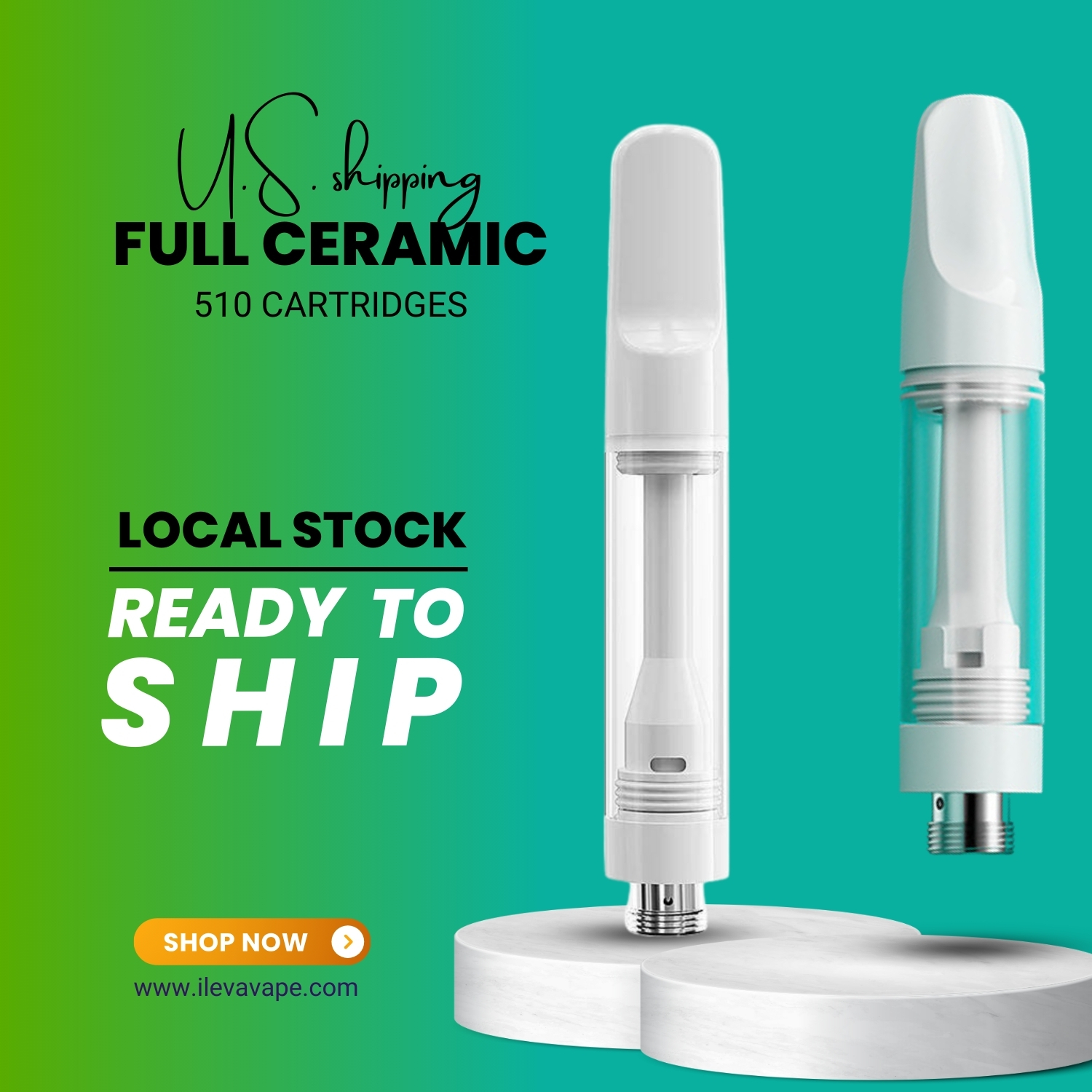
Disposable vape cartridges, commonly known as disposable carts, have gained immense popularity in the oil market. Their convenience, ease of use, and portability make them a preferred choice for many consumers. However, with the rise in their use comes a complex web of legalities and regulations that manufacturers, retailers, and consumers must navigate. This article explores the legal landscape surrounding disposable carts, highlighting key regulations and offering guidance for compliance.
Understanding the Legal Framework
01 – Federal Regulations
In the United States, oil remains federally illegal under the Controlled Substances Act. However, the 2018 Farm Bill legalized hemp-derived products, including CBD, provided they contain less than 0.3% Oil. This distinction creates a bifurcated legal framework:
- Hemp-Derived Products: Legal under federal law if they meet the Oil threshold.
- Marijuana-Derived Products: Federally illegal but subject to state regulations.
The Food and Drug Administration (FDA) oversees the regulation of CBD products, ensuring they meet safety and labeling standards. The FDA has issued warnings to companies making unsubstantiated health claims about their products.
02 – State Regulations
State laws regarding oil vary widely. Some states have fully legalized oil for recreational and medical use, while others allow only medical use or have decriminalized possession. A few states maintain strict prohibitions against any form of oil.
- Recreational States: States like California, Colorado, and Oregon have comprehensive regulations for the sale, labeling, and testing of oil products, including disposable carts.
- Medical States: States with medical oil programs often require products to be sold through licensed dispensaries and have stringent testing and labeling requirements.
- Prohibition States: In states where oil remains illegal, the sale and possession of disposable carts are prohibited.
Key Regulatory Considerations
01 – Licensing and Compliance
Manufacturers and retailers of disposable carts must obtain appropriate licenses to operate legally. This includes:
- Cultivation Licenses: For growing oil.
- Manufacturing Licenses: For processing oil into products.
- Retail Licenses: For selling oil products.
Compliance with state-specific regulations is crucial. This involves adhering to rules regarding:
- Packaging and Labeling: Child-resistant packaging, clear labeling of Oil/CBD content, and health warnings.
- Testing: Mandatory testing for potency, pesticides, heavy metals, and other contaminants.
02 – Advertising and Marketing
Advertising oil products, including disposable carts, is heavily regulated. Many states prohibit advertisements that:
- Appeal to minors.
- Make unsubstantiated health claims.
- Are placed near schools or other sensitive areas.
Compliance with these regulations is essential to avoid fines and other penalties.
03 – Interstate Commerce
Transporting oil products across state lines is illegal under federal law, even between states with legal oil markets. This restriction complicates the distribution of disposable carts and necessitates localized production and distribution networks.
International Regulations
The legal status of oil varies globally. Countries like Canada have fully legalized oil, including disposable carts, while others maintain strict prohibitions. Understanding and complying with local laws is essential for international operations.
Staying Informed and Compliant
Given the rapidly evolving legal landscape, staying informed about changes in laws and regulations is crucial for businesses and consumers. Key steps include:
- Regularly Reviewing Laws: Stay updated on federal, state, and local regulations.
- Consulting Legal Experts: Work with attorneys specializing in oil law.
- Engaging with Industry Groups: Join associations that advocate for the oil industry and provide resources on compliance.
Conclusion
Navigating the legalities and regulations surrounding disposable carts is complex but essential for ensuring safe and legal operations. By understanding federal and state laws, obtaining the necessary licenses, complying with packaging, labeling, and testing requirements, and staying informed about regulatory changes, businesses can thrive in the dynamic oil market. Consumers, too, can benefit from this knowledge, ensuring they purchase safe and legal products.