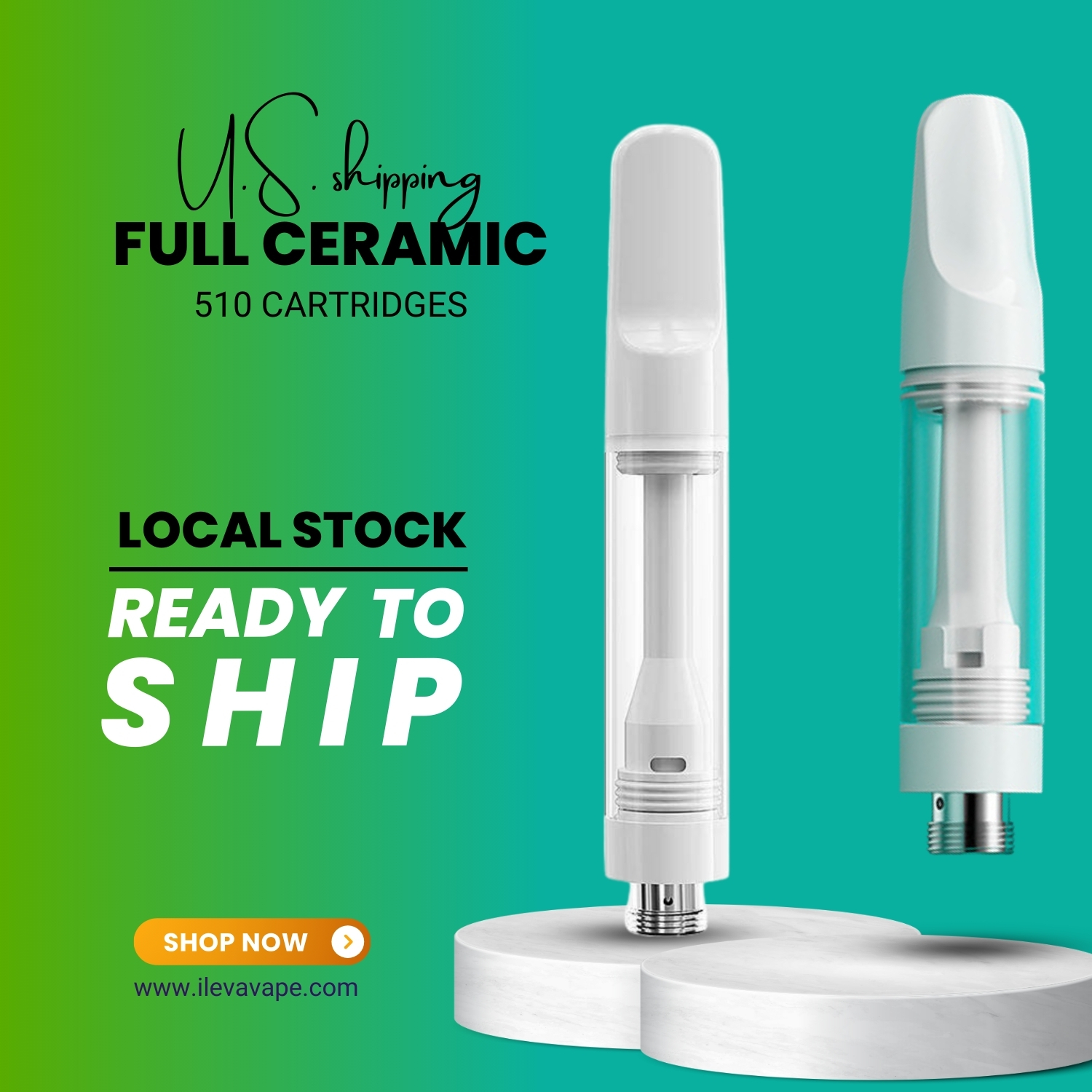
Packaging is not the last cosmetic choice in a 510 cartridge order. It determines how units arrive at the filling area, how operators identify lots, how easily cartridges move through inspection and filling, and how much work remains before a finished unit is ready for sale.
The practical choice comes down to two questions: at what production stage should the supplier hand the cartridge to you, and which party will complete filling, closure, labeling, and final presentation?
The short answer
Choose production trays when the cartridges will enter a controlled filling and assembly workflow after delivery. Choose retail packaging when the supplier is responsible for delivering a sale-ready pack-out, or when your operation has no validated downstream packaging step.
Neither format is automatically cheaper or safer. Compare the complete workflow, not the packaging line on a quotation.
1. Start with the handoff point
Define the exact condition of the cartridge when ownership transfers. Is it empty with the mouthpiece separate? Empty with a temporary protective cap? Filled and closed? Labeled but not boxed? Fully packed for retail?
A “tray of cartridges” can describe several different states. The purchasing specification should identify cartridge orientation, cavity count, mouthpiece location, protective films or bags, lot labels, tray stacking method, and outer-carton configuration.
If you are still selecting the hardware, compare cartridge configurations in the Bulk 510 Carts collection only after these operational requirements are clear.
2. When production trays make sense
Production trays are usually the better fit when cartridges will be filled, closed, inspected, cured or rested, labeled, and packed at another facility. A tray can maintain orientation and make units easier to count and present to a manual, semi-automatic, or automated process.
The benefit depends on line compatibility. Ask for tray drawings or samples and confirm cavity pitch, cartridge retention, access for grippers or operators, stack stability, material cleanliness, and whether filled cartridges can return to the same tray without contact or leakage risk.
Do not assume a supplier’s standard tray fits your equipment. Include the tray in sample approval and line trials, not only the cartridge.
3. When retail packaging makes sense
Retail packaging is more appropriate when the purchase scope includes final presentation and the supplier can control the complete pack-out. It can reduce downstream handling, but only if artwork, labels, inserts, barcodes, lot coding, seals, and unit orientation have already been approved.
“Retail packed” is not a complete specification. Define every component, the assembly order, the visible and hidden label fields, the required coding location, and the inspection standard. Confirm which party owns artwork accuracy and what happens to obsolete printed material after a revision.
Legal and child-resistant packaging obligations vary by product, liquid, destination, and channel. Treat compliance as a market-specific validation task tied to your target jurisdiction and channel.
4. Match the pack-out to the filling and closure process
For empty cartridges, packaging must support the real filling sequence. The operator needs controlled access to the tank opening without contaminating the mouthpiece, center airway, seals, or exterior surfaces.
See the cartridge filling guide for the basic filling path. Your packaging decision should also account for oil temperature, dwell time before closure, press-on or screw-on mouthpiece handling, post-fill inspection, and the orientation required during any settling period.
If mouthpieces ship separately, specify how they are counted, protected, and matched to the cartridge lot. If mouthpieces are preinstalled, verify whether they are removable without damage and whether that state is compatible with the intended filling process.
5. Protect product identity through every repack step
Bulk handling creates additional points where lots can be mixed. Tray, inner bag, carton, work order, filling batch, finished-goods label, and release record should preserve a traceable relationship.
At minimum, define the supplier lot or batch identifier, quantity per tray, tray count per inner pack, carton quantity, model and revision, and the method used to identify partial trays. When units move into retail packaging, the repack record should show which input lot fed each finished-goods batch.
Retail packaging does not eliminate traceability risk. Printed boxes can be applied to the wrong hardware revision, and mixed packaging components can create a saleable-looking but incorrect unit.

6. Compare total sale-ready cost
A lower unit price in trays may exclude downstream labor, packaging materials, rejects, storage, line changeover, relabeling, and finished-goods inspection. A higher retail-packed price may include some of those steps, but could add artwork tooling, printed-material minimums, excess inventory, or revision risk.
Normalize quotations to the same handoff point. Request separate pricing for cartridge hardware, tray or protective pack-out, mouthpiece handling, filling if included, unit packaging, inserts, labels, coding, master cartons, and freight.
Then compare cost per released, sale-ready unit rather than cost per cartridge received.
7. Build approval samples that represent production
A loose cartridge sample does not qualify a tray program, and a digital box rendering does not qualify retail packaging. The approval set should represent the actual materials, dimensions, print method, labels, inserts, coding, closure state, and packing sequence intended for production.
Use the 510 cartridge sample approval checklist to record the accepted configuration. If equipment compatibility matters, run the tray and cartridge together through the intended handling and filling steps.
Any change to tray geometry, resin, foam density, insert dimensions, adhesive, coating, carton layout, or printed revision should trigger an impact review before mass production.
8. Write the receiving inspection around the chosen format
For trays, receiving checks may include count, orientation, cavity damage, retained debris, cartridge movement, stack deformation, bag integrity, and lot-label agreement. For retail packs, checks may include artwork revision, print placement, seal condition, barcode or code readability, component presence, unit orientation, and reconciliation to the packed hardware.
The empty vape hardware incoming inspection checklist provides the wider receiving framework. Add pack-out-specific defects and acceptance rules to the purchase specification so both parties inspect the same conditions.
Buyer specification checklist
- Hardware model and revision
- Delivery state and mouthpiece state
- Tray or retail-pack drawing
- Quantity at each packaging level
- Lot and date-code fields
- Artwork and label revision
- Protective materials and filling-line interface
- Inspection sample plan and change-control rule
- Responsibility for obsolete packaging
A clear specification sheet prevents these requirements from being scattered across email threads. Use the vape hardware specification sheet guide to structure the technical handoff.
Final purchasing rule
Buy the pack-out that removes risk from your actual handoff point. If your team will fill and assemble the cartridges, qualify the tray as production tooling. If the supplier will deliver finished retail units, qualify every packaging component as part of the product.
In both cases, approve the complete configuration, preserve lot identity, and compare the cost of a released sale-ready unit against the apparent price of an empty cartridge or box.